Currently Empty: $0.00
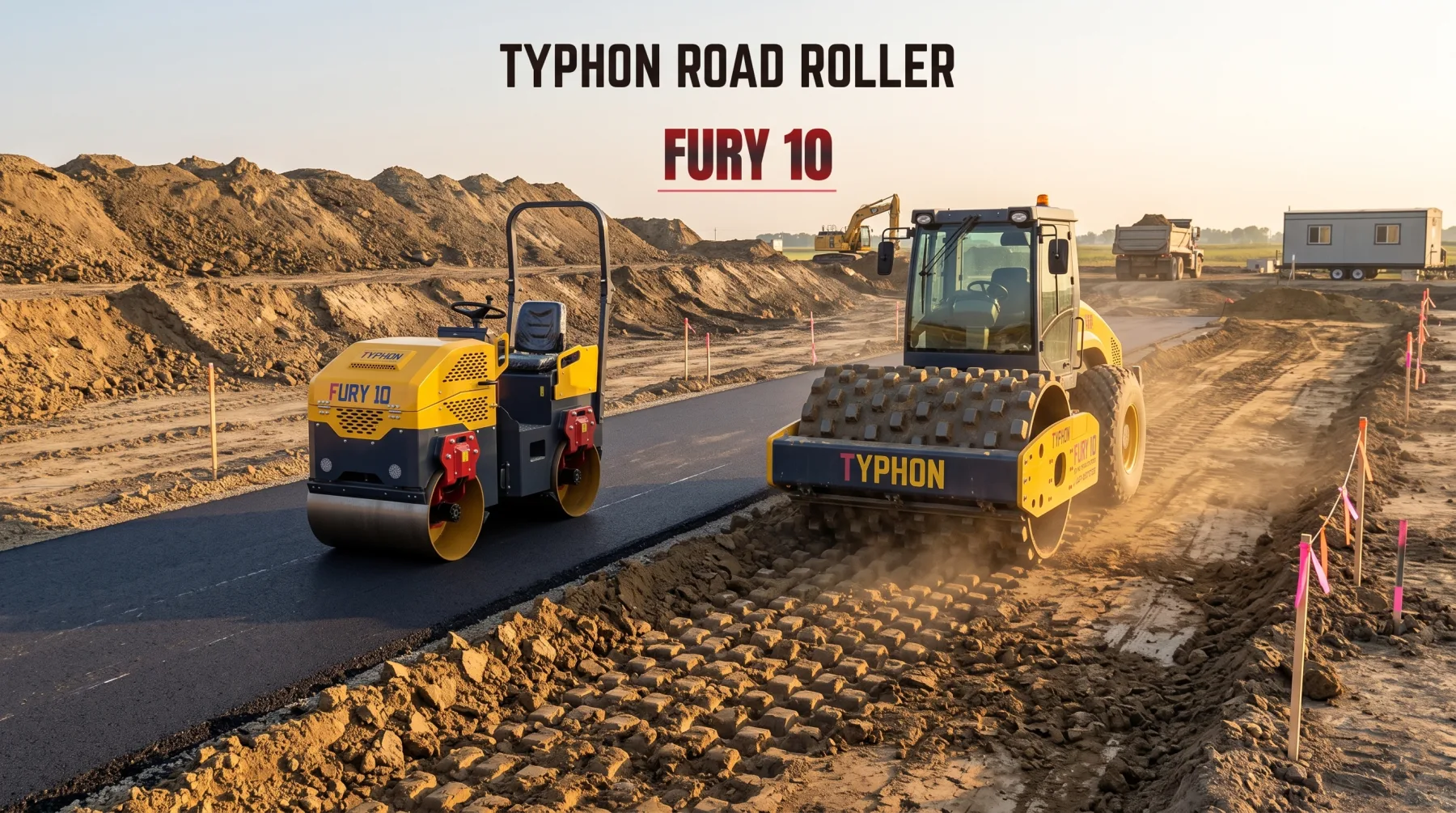
Smooth Drum vs. Padfoot Roller: Which Road Roller Should You Choose?
The material under your drum decides which roller belongs on the job. Roll a thick lift of cohesive clay with a smooth drum and you’ll bridge over the top while the bottom stays loose. Run a padfoot over a finished asphalt mat and you’ll chew it to pieces. Pick the wrong drum, and you either fail a density test on a fill you thought was compacted or ruin a surface you were supposed to seal. The choice comes down to what you’re compacting and what that layer needs to do.
Smooth drum and padfoot rollers are designed for different compaction conditions, with each drum type performing best on specific materials and applications. Smooth drums are effective on granular soils, asphalt, and finishing surfaces, while padfoot drums create deeper compaction in cohesive soils such as clay and dense fill.
The performance difference comes from how each drum interacts with the ground. Soil type, lift thickness, and surface requirements determine which roller delivers better results, helping contractors achieve proper density, fewer passes, and more consistent compaction. Choosing the right drum helps improve efficiency and reduces unnecessary extra passes. It also ensures the finished surface meets the required quality for the job.
How Each Drum Compacts the Ground
Before you understand the difference, you need to look at how each drum actually works against the material beneath it. Both rollers apply weight and vibration, but the way that force transfers into the soil creates very different compaction results. That single difference determines whether the material reaches the required density efficiently or requires extra passes.
Smooth drums and padfoot drums are built around different compaction methods. One works by applying direct surface pressure, while the other uses a kneading action to break up and compress deeper layers. Understanding how each drum interacts with the soil helps operators avoid poor compaction and unnecessary machine time.
Smooth Drum: Pressure From the Surface
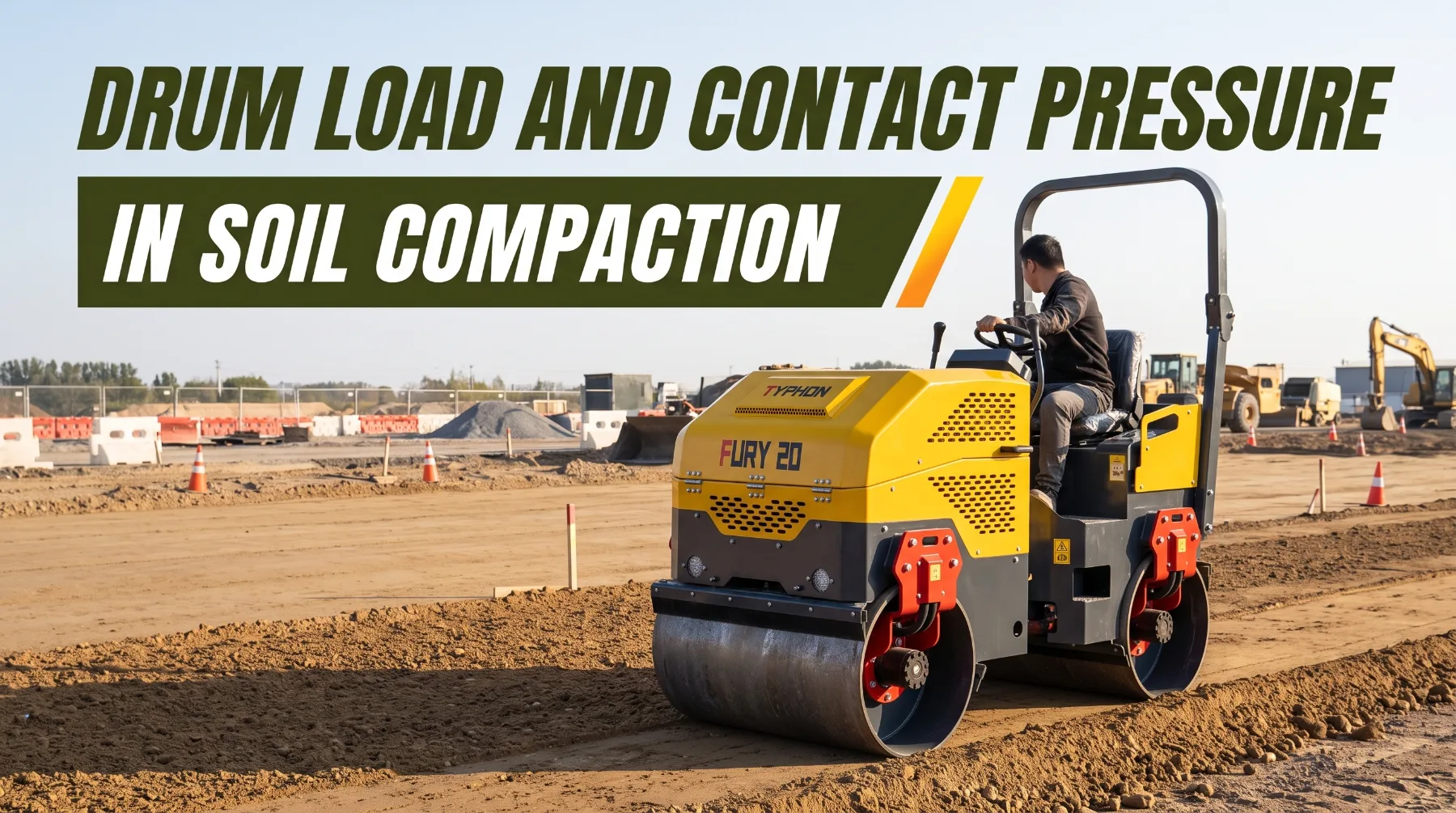
A smooth drum applies its weight evenly across a flat, continuous steel surface, pressing the material down from the top. Add vibration, and the drum sends energy into the layer to settle particles tightly together. This works beautifully on granular material like sand, gravel, and crushed stone, where the goal is to shake particles into a dense, interlocked mass.
The tradeoff shows up in cohesive soils. Because the drum spreads its force across a wide contact area, it tends to compact the top of a thick clay lift while leaving the bottom loose. On the right material, though, that even pressure delivers a smooth, tight, finished surface that few other machines can match.
Takeaway: A smooth drum compacts from the surface down with even pressure, making it the clear choice for granular soils and finished surfaces but a poor fit for deep lifts of cohesive clay.
Padfoot: Pressure From Within
A padfoot drum, sometimes called a sheepsfoot, carries raised lugs or “feet” across its surface. Those pads concentrate the machine’s weight onto small contact points, driving pressure deep into the layer. Instead of pressing from the top, the feet penetrate and knead the material, compacting it from the bottom of the lift upward as the drum walks out of the soil.
That kneading action is what makes padfoot rollers excel in clay and other cohesive soils. The concentrated force breaks up clods and forces air and moisture out from within the layer, building density where a smooth drum can’t reach. The surface it leaves is rough and dimpled by design, ready for the next lift to bond to.
Takeaway: A padfoot drum concentrates force through its pads to knead cohesive soil from within, delivering the deep compaction that thick clay lifts demand.
Where Smooth Drum Rollers Excel
Smooth drum rollers are designed for applications where surface quality and uniform compaction are the priority. Their flat steel drum applies consistent pressure across the material, making them highly effective on granular soils, asphalt, and final grading layers that require a smooth finish.
This drum design works best when the goal is to create a dense, even surface rather than break through deeper layers. From road preparation to final passes on compacted material, smooth drums provide the control needed for clean and reliable finishing work.
Granular Soils and Base Layers
Sand, gravel, and crushed aggregate respond best to the vibration and even pressure a smooth drum provides. The drum shakes loose particles into a dense, interlocked arrangement, building the stable, well-compacted base that roads, foundations, and pads rely on. Because granular material doesn’t need kneading, the smooth drum’s surface pressure is exactly the right tool.
This makes smooth drums a fixture on subbase and base course work. Compacting road base, leveling granular fill, and preparing a firm surface for paving all sit squarely in the smooth drum’s wheelhouse. You get uniform density and a level, ready-to-build platform in fewer passes than a mismatched machine would need.

Asphalt and Finished Surfaces
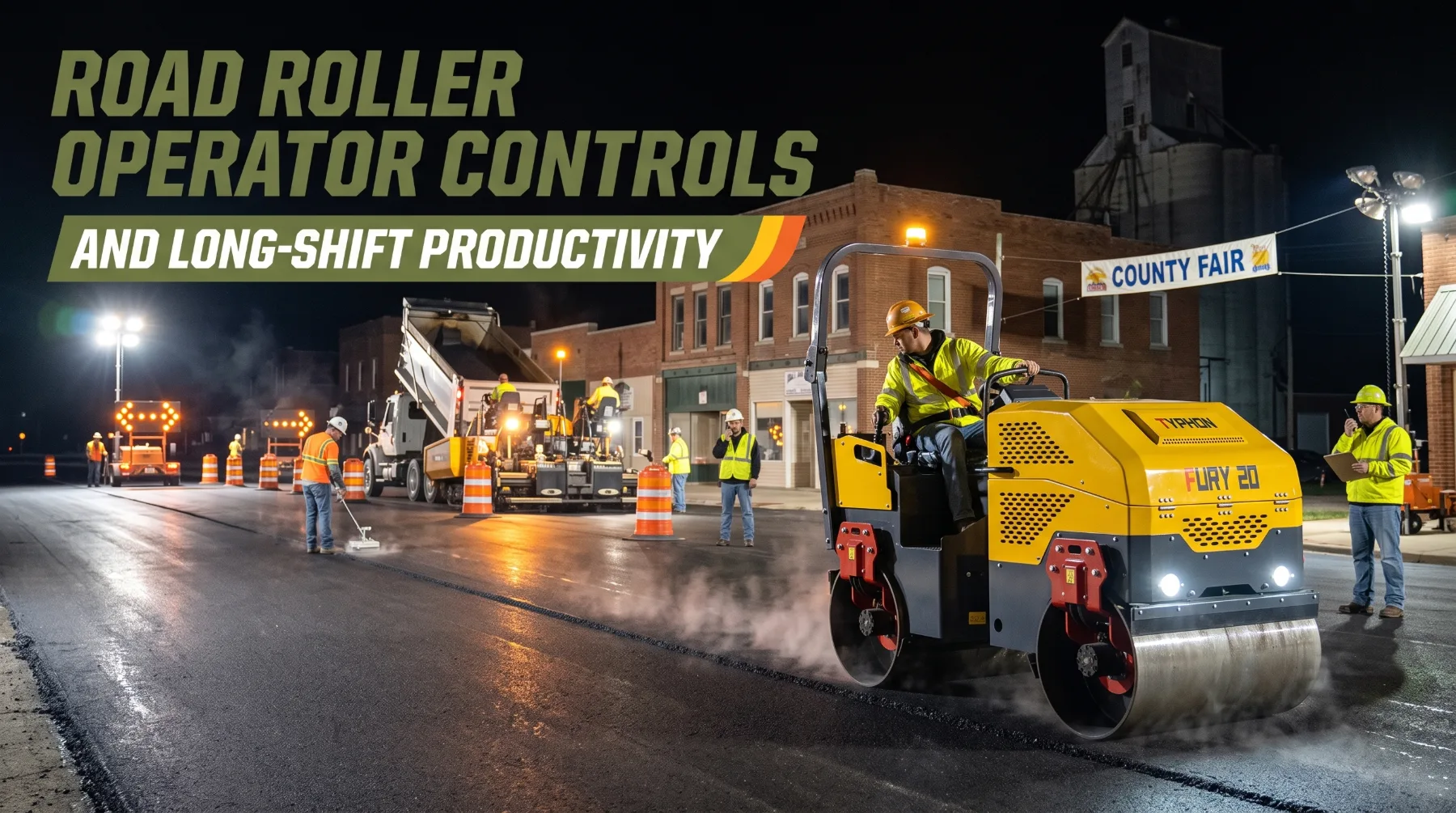
Asphalt is where smooth drums truly separate themselves. A padfoot would tear a hot mat apart, but a smooth drum presses it flat and seals it into a dense, watertight surface. The even contact removes voids, locks the aggregate in place, and leaves the smooth, professional finish a paving job demands.
That same strength applies to any surface that needs to end up clean and level. Final grading passes, tight finish work, and sealing compacted layers all reward the smooth drum’s flat, uniform face. When the last thing the material sees before service is your drum, a smooth roller is what protects the finish.
Takeaway: Reach for a smooth drum roller when compacting granular base or finishing asphalt and surfaces, where even pressure builds density and leaves the clean, sealed finish the job requires.
Where Padfoot Rollers Excel
Padfoot rollers are built for challenging compaction work where cohesive soils and deeper lifts require more than surface pressure. Their raised pads penetrate into the material, creating a kneading action that helps compress clay, silt, and dense fill from within.
This makes them especially effective for applications such as embankments, road subgrades, and large earthwork projects where soil structure and deep density matter. When working with sticky or moisture-heavy materials, padfoot rollers provide the penetration and force needed to achieve consistent compaction.
Cohesive Soils and Clay Fill
Clay, silty soil, and other cohesive material need to be kneaded, not just pressed, and that’s exactly what a padfoot delivers. The pads punch into the layer, break apart clods, and squeeze out trapped air and moisture from within. The result is a deep, uniform density that a smooth drum simply can’t achieve in the same material.
This makes padfoot rollers the standard for structural earthwork. Building road subgrades, compacting embankments, and placing engineered fill in cohesive soil all depend on the deep, thorough compaction the pads provide. On these jobs, the rough, dimpled surface the drum leaves is a feature, not a flaw, giving the next lift a keyed surface to bond to.
Thick Lifts and Deep Compaction
Where a smooth drum forces you into thin lifts to reach full density, a padfoot handles thicker layers in a single placement. The concentrated pad pressure drives compaction deep, so you can build up structural fill faster without leaving a soft, under-compacted zone hiding at the bottom of the lift.
That depth advantage saves real time on big earthmoving jobs. Fewer, thicker lifts mean faster progress across large volumes of material, and the machine’s ability to compact from the bottom up means each layer is sound before the next goes down. For heavy fill and subgrade work, that efficiency adds up fast.
Takeaway: Choose a padfoot roller when compacting cohesive clay, structural fill, and thick lifts, where its kneading pads build the deep, uniform density that surface pressure alone can never reach.
How Soil Type and Lift Depth Steer the Choice

Drum selection depends heavily on the material being compacted and the thickness of each lift. A roller that performs well on one layer may not deliver the same results on another, which is why soil conditions and project requirements must be considered together.
Matching the drum design to the material helps achieve proper density with fewer passes and improves overall compaction efficiency. Understanding the ground conditions before starting the job allows operators to use the machine where it performs best.
Reading Your Material First
Start by classifying what you’re compacting. Granular soils, aggregate, and asphalt respond to surface pressure, so a smooth drum is your tool. Cohesive soils like clay and silt need kneading from within, which is padfoot territory. Guess wrong here, and you’ll burn passes on a drum that physically can’t build the density the material needs.
Many projects involve both, and that’s where sequencing matters. A common approach is to compact structural clay fill with a padfoot, then switch to a smooth drum to seal and finish the surface once the deep work is done. Reading the material at each stage keeps you from forcing one drum to do a job it isn’t built for.
Matching Lift Thickness to the Drum
Lift depth is the second half of the equation. Padfoot rollers thrive on thick lifts, driving compaction deep enough to keep progress fast on heavy fill. Smooth drums work best on thinner lifts of granular material or asphalt, where their surface pressure can reach full depth without leaving a soft bottom layer behind.
Match the lift to the drum, and you avoid two expensive mistakes: placing lifts too thick for a smooth drum to fully compact, or wasting a padfoot’s depth capacity on thin granular layers it isn’t needed for. Setting your lift thickness around the drum’s strengths keeps density consistent and passes efficient.
Takeaway: Let your soil type and lift thickness drive the decision, since matching the drum to the material and the layer depth is what builds reliable density instead of wasted passes.
Conclusion
Smooth drum and padfoot rollers solve different compaction challenges based on how they transfer force into the ground. Smooth drums apply consistent surface pressure, making them effective for granular materials, aggregate layers, and asphalt finishes where uniformity and a smooth surface are required. Padfoot rollers work deeper by penetrating and kneading cohesive soils, helping compact clay, silt, and heavy structural fills that need stronger internal density.
Successful compaction starts with understanding the material and planning the process around it. Many projects use both drum types at different stages, with padfoot rollers handling deeper soil layers and smooth drums completing the final surface. Matching the drum design to the soil, lift thickness, and project requirements helps achieve reliable density while reducing unnecessary passes and equipment strain.
Frequently Asked Questions
How many passes does a roller usually need for proper compaction?
The number of passes depends on soil type, lift thickness, moisture, and density requirements. A test section is often used to determine the most efficient pass count for the job.
Which roller drum requires more maintenance?
Padfoot rollers usually need more attention because the feet experience direct contact with the material. Smooth drums require regular checks of the drum surface, scrapers, and vibration system.
Can one roller handle both smooth and cohesive soils?
Some rollers can handle multiple applications with the right setup, but each drum type performs best on specific materials. Matching the drum to the soil improves compaction results and efficiency.