Currently Empty: $0.00
How to Prevent Surface Cracking and Damage During Asphalt Rolling
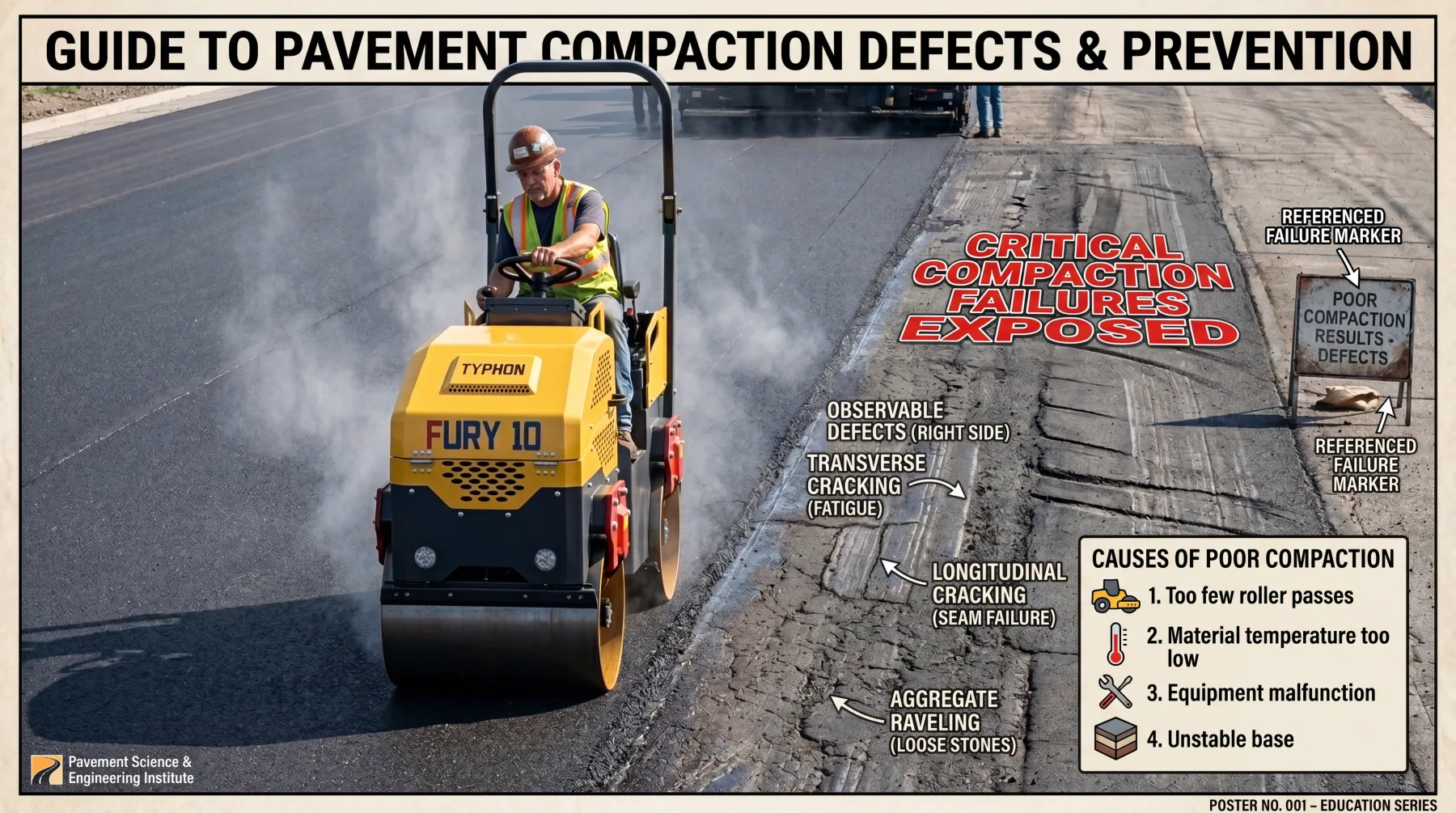
A smooth, durable asphalt surface is the mark of a skilled crew, but achieving that finish depends on more than just the material. Success begins with understanding how you roll, when you start the process, and how precisely you control your machine. If you rush the timing or handle the equipment poorly, you invite cracks, tears, and unwanted indentations. While these flaws might seem minor on the day of completion, they often grow into major failures months later as the pavement settles.
The encouraging news is that most surface damage is entirely preventable. The frustrating issues that haunt paving crews almost always stem from a handful of common mistakes: rolling the mat while it is too cold, traveling at excessive speeds, making sharp or sudden stops, running with a dry drum, or using too much vibration on thin layers.
Mastering these five areas is the secret to protecting the quality of every job. By focusing on consistent temperature control, steady movement, proper moisture management, and balanced vibration settings, you create a surface that is both structurally sound and aesthetically perfect. When you take the time to refine your rolling technique, you eliminate the need for costly rework and ensure that the finished pavement remains strong, smooth, and resilient for years to come.
Control the Temperature
Temperature is the single most important factor in quality asphalt rolling. Hot mix is only workable within a specific range, and that range decides whether your roller compacts the material smoothly or cracks it apart. When asphalt is hot, it stays pliable. The aggregate shifts and locks together under the weight of the roller, giving you the density and smooth finish you are after. However, asphalt cools fast. Once the mat drops below its workable range, the binder stiffens and the material turns brittle. If you attempt to roll the material at this stage, you will not achieve proper compaction; instead, you will fracture the surface and lock cracks into the finished mat.
This is why monitoring temperature matters from the moment the mix hits the ground. Every mix has a recommended window of workability, which is the temperature range where compaction works best. Start rolling too late, and the mat is already too cold to respond effectively to the drum. Your goal is to begin breakdown rolling while the material is hot and finish your passes before it cools out of that optimal range. A few practical habits will help you stay on track. Check the mat temperature regularly with an infrared thermometer or a temperature probe rather than trying to guess by eye. Understand the specific workability window for your current mix and treat it as a hard limit, not a suggestion. Furthermore, plan your rolling pattern so you can cover the mat efficiently before it cools down. Finally, watch for cooling conditions such as cold weather, strong winds, or thin lifts, as these factors all pull heat out of the asphalt much faster than expected. Consistent monitoring ensures you maintain the pliability needed for a high-quality, durable surface.
Match Roller Speed to the Mat
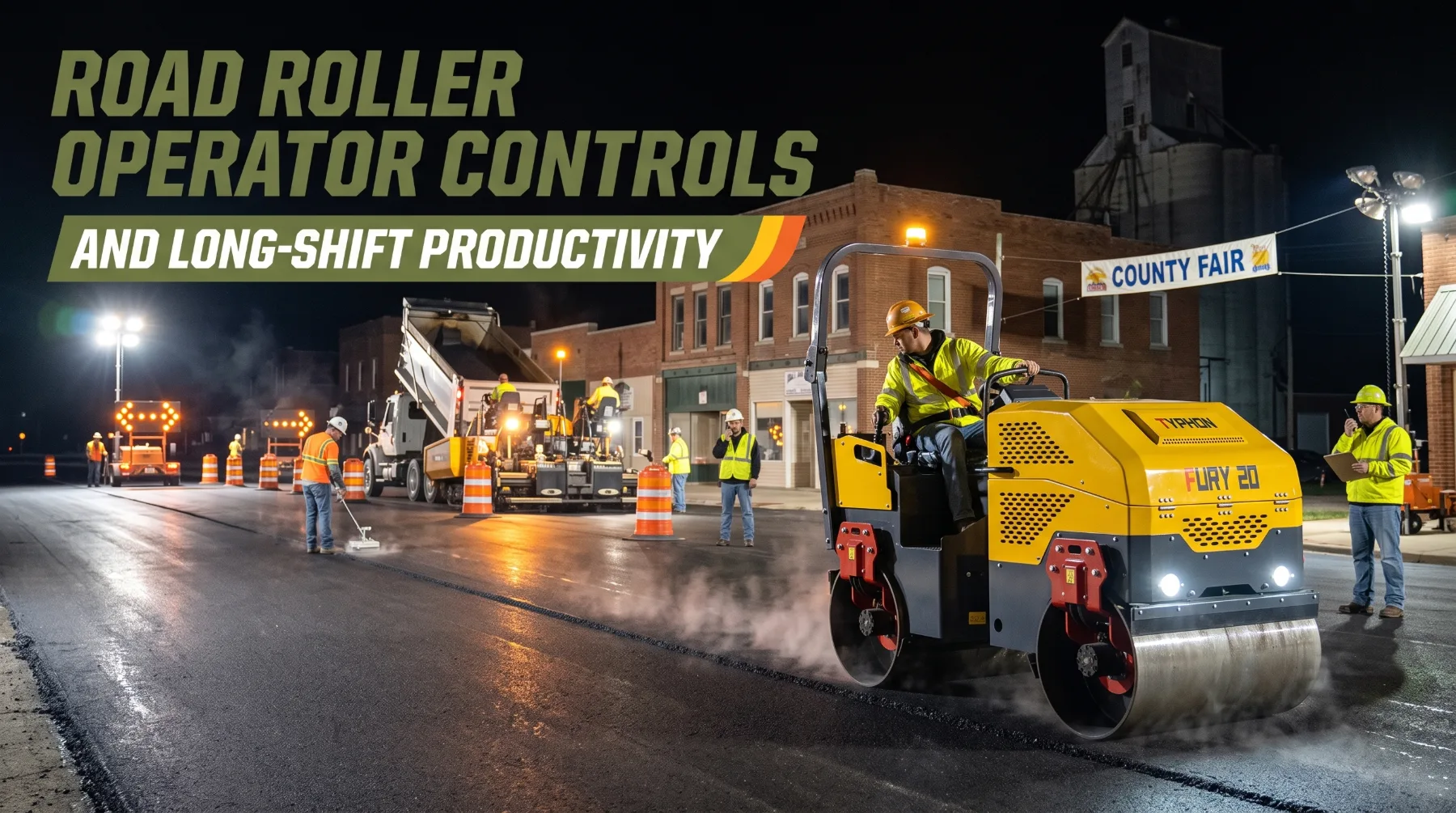
How fast you move the roller has a direct effect on the quality of the surface you leave behind. It is tempting to speed up in an effort to cover more ground or finish the job quickly, but rolling too fast is one of the quickest ways to damage fresh asphalt. When the drum moves too quickly across a hot mix, it does not compact the material evenly. Instead, it pushes and shoves the asphalt ahead of and beneath the drum. That forceful movement creates ripples, surface tears, and stress cracks that no amount of subsequent rolling will be able to fully repair. The material needs adequate time under the drum to settle and densify properly, and excess speed simply does not allow that process to happen.
The fix is maintaining a steady, controlled speed. A consistent, slow pace lets the roller compact the mat smoothly, working the material down without disturbing the surface. Consistency matters just as much as the speed itself. Sudden changes in pace create uneven compaction and the same shoving motion that causes tears. Keep these points in mind as you work. Always hold a slow, steady speed that is appropriate for your specific roller and mix, rather than racing against the cooling mat. Avoid the urge to speed up simply to beat the cool-down process. If you find that you are running short on time, you should adjust your rolling pattern, not your travel speed. Finally, keep all movements smooth and even so the material compacts uniformly across every single pass. By resisting the urge to hurry, you provide the asphalt with the necessary time to densify, resulting in a surface free from ripples and stress cracks that might otherwise compromise the long-term integrity of the pavement.
Avoid Sudden Stops and Turns

Fresh asphalt is soft and forgiving of weight, but it is entirely unforgiving of sudden force. Every abrupt move you make with the roller leaves a mark, and those marks often become permanent defects in the finished surface. If you slam the brakes on hot mix, the drum will dig in, leaving a distinct depression or a tear where it came to a stop. If you crank the steering sharply, the drum will scuff and shove the material sideways, tearing the surface and pushing the aggregate out of its proper place. Because the asphalt is still pliable at this stage, it records every one of these mistakes and holds them permanently as it cools and hardens.
The solution is to make every movement gradual. Start the roller moving slowly and smoothly, ease to a stop rather than braking hard, and make all your turns wide and gentle. When you need to change direction, do it gradually and, where possible, perform the turn off the hot mat or on an area that has already cooled and set. A few rules will help keep the surface clean. Start and stop gradually, easing into motion and slowing to a smooth halt. Try to stop on cooler, compacted areas whenever possible, rather than halting on the freshest, hottest part of the mat. Furthermore, turn wide and slow, avoiding sharp steering inputs while on hot material. Finally, stagger your stopping points so you do not create a line of indentations across the mat. By being mindful of your force and direction, you prevent the localized damage that turns a professional-looking job into a surface riddled with unwanted gouges and permanent scuffs.
Use the Right Amount of Water

The water system on a roller drum does more than you might expect. It creates a thin barrier between the hot asphalt and the steel drum, and getting that moisture level correct is essential to achieving a clean surface. When the drum runs too dry, hot asphalt will stick to the steel. As the drum turns, it lifts that stuck material right off the mat, a problem operators call pickup. The result is holes, gouges, and a torn surface where the asphalt should be perfectly smooth. A dry drum can ruin a finish very quickly, especially early in the rolling process when the mix is at its hottest and stickiest state.
The answer is consistent, controlled moisture. A working water spray system keeps a light film on the drum that prevents the asphalt from bonding to it. The goal is a thin barrier, not a flood. Too much water cools the mat prematurely and can interfere with proper compaction, while just enough keeps the drum clean and the surface intact. Keep your water system working for you by running the spray system consistently so the drum never runs dry against hot mix. Aim for a light, even film rather than a heavy soak that could cool the asphalt too rapidly. Check the nozzles and filters regularly to prevent clogs that leave dry spots on the drum. Additionally, monitor your water supply carefully so you do not run out mid-job and suddenly start picking up material. By maintaining a clean, slightly moistened drum, you avoid the most common causes of surface tearing and ensure that the roller leaves behind a consistent, uniform finish on every pass.
Proper Vibration Management
Vibratory compaction is a powerful tool, but like any tool, it can do damage when used at the wrong time. Knowing when to vibrate and when to switch to static mode protects both the surface and the structural integrity of the mat. Vibration drives compaction by shaking the aggregate into a dense, locked arrangement. That is exactly what you want during breakdown rolling on a full-depth lift. The trouble arises when you run high vibration on thin layers or during the final passes. On a thin mat, aggressive vibration can over-compact the material and actually shatter the aggregate, weakening the surface rather than strengthening it. It can also leave the surface marked and uneven.
This is why the final passes call for a different approach. Switching to static, non-vibratory mode lets the weight of the drum smooth and iron out the surface without pounding the material. You get a tight, clean finish while preserving the structural integrity built into the mat during earlier passes. Manage vibration through the process by using vibratory mode for breakdown rolling on adequate lift thickness where compaction is the primary goal. Conversely, avoid high vibration on thin layers, which risks crushing the aggregate and over-compacting the material. Always switch to static mode for finish passes to smooth the surface without causing hidden structural damage. Match your settings to the lift thickness and the specific stage of rolling, rather than relying on a single setting for the whole job. By understanding the mechanical impact of vibration, you can use it to achieve the necessary density early on while using static rolling to perfect the surface finish, ensuring the pavement is both strong and smooth.
Conclusion
Achieving a crack-free and damage-free asphalt surface comes down to maintaining control at every stage of the rolling process. You must prioritize rolling while the mat remains hot and firmly within its specific workability window. Maintaining a slow, steady travel speed is equally critical, as it allows the material to compact effectively rather than shoving or rippling under the drum. Precision in your movements is just as vital; you must learn to start, stop, and steer gradually to ensure the surface remains perfectly smooth and free of permanent indentations.
Furthermore, you need to maintain a consistent water film so the drum never begins picking up fresh material and tearing the mat. Finally, manage your vibration settings carefully, ensuring you switch to static mode for those final, crucial passes to iron out the surface. Mastering these five practices will do more than just improve the look of the pavement; it will protect the quality and structural longevity of every surface you lay. By staying disciplined and attentive to these operational details, you turn a potentially difficult job into a professional-grade finish that will stand the test of time and provide a durable, high-quality result for your clients.