Currently Empty: $0.00
Road Rollers for Driveways, Streets, and Community Developments
Freshly paved surfaces may look perfect at first, but poor compaction can quickly lead to cracks, rutting, and erosion within a single season. The quality and durability of any paving job largely depend on the road roller used. From driveways to streets and large community projects, the right roller compacts loose material into a dense, stable surface that can handle traffic and weather. Using unsuitable equipment often results in weak spots and uneven finishes that lead to costly repairs.
Choosing the correct roller requires matching the machine type and size to the specific job. Different rollers are designed for different materials and project scales, and proper selection ensures consistent compaction across all layers. This helps create a stronger base and prevents early surface failure.
This guide explains the main roller types, their applications, effective compaction techniques, and essential maintenance practices. Following these principles helps achieve smoother, longer-lasting surfaces for all paving projects.
Understanding the Primary Types of Road Rollers
To achieve optimal results, you must understand the different machine configurations available. Road rollers are engineered for specific applications, and selecting the incorrect model compromises both efficiency and compaction quality. Here are the primary considerations for your selection.
The type of material being compacted, the size of the project, and the required surface finish all influence which road roller will perform best. Matching the machine to these jobsite requirements ensures you achieve target density efficiently while reducing the number of passes needed to complete the work.
Evaluating key specifications before making a decision improves long-term productivity and operating costs. Choosing the right road roller not only delivers superior compaction results but also minimizes fuel consumption, reduces equipment wear, and ensures consistent performance across all construction applications.
Walk-Behind vs. Ride-On Rollers
The initial consideration involves the operator interface. Walk-behind rollers are compact and easily transported, making them ideal for tight driveways and confined spaces where maneuverability is critical. These units serve as a reliable, cost-effective solution for smaller paving requirements.
In contrast, ride-on rollers provide greater coverage per pass and improve operator efficiency on larger projects. For street construction or subdivision developments, the speed and consistency of a ride-on machine are essential for high productivity. The scale of the project will dictate the most professional equipment choice.
Smooth Drum vs. Padfoot Drums
Drum design determines the type of compaction achieved. Smooth drum rollers utilize a flat steel surface, which is the professional standard for asphalt and finishing work where a uniform, sealed surface is required. Asphalt rollers for driveways typically employ smooth drums to ensure a high-quality top layer.
Padfoot (or sheepsfoot) drums feature raised lugs designed to penetrate and knead thick layers of soil and subgrade. Most professional paving projects begin with padfoot compaction for the base layers before transitioning to a smooth drum for the final surface. Proper drum selection is fundamental to ensuring structural integrity from the ground up.
Static vs. Vibratory Compaction
The method of force application is as critical as the drum type. Static rollers utilize weight alone to press material, which is suitable for delicate final passes. Vibratory rollers incorporate a vibrating mechanism that directs energy deep into the material, achieving target density with fewer passes.
For modern paving and driveway construction, vibratory rollers offer the density and efficiency required by industry professionals. It is important to deactivate vibration on thin lifts or near sensitive structures to prevent damage or over-compaction.
Matching Roller Size to Project Scale
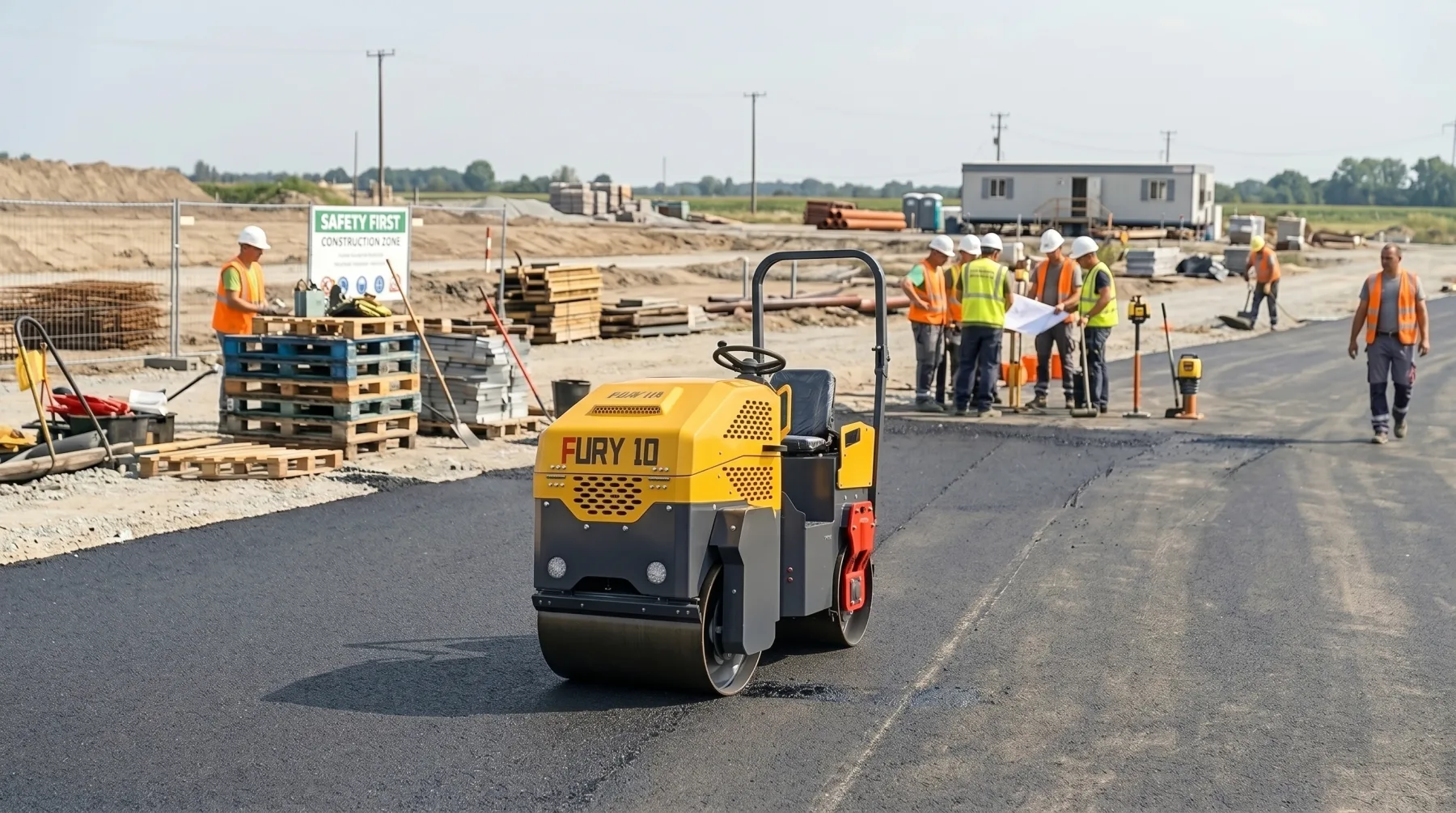
After selecting the machine type, you must size the equipment to the job requirements. An undersized roller leads to inefficiency and poor density, while an oversized machine can damage the surface or struggle with tight access. Precision in sizing is fundamental to a successful project.
When evaluating machine size, consider the width of the work area, the thickness of the material being compacted, and the available operating space. Choosing a roller that matches these conditions improves maneuverability, reduces unnecessary passes, and achieves more consistent compaction results.
Selecting the appropriate machine size also improves overall project efficiency by balancing productivity with operating costs. A properly sized road roller uses fuel more effectively, minimizes equipment wear, and allows operators to complete compaction tasks safely and efficiently across a variety of jobsite conditions.
Rollers for Driveways and Small Projects
Residential driveways often feature curves and are bordered by sensitive structures. These environments require a small road roller or walk-behind machine that offers precision maneuverability. A light smooth drum roller provides the firm, even finish required for driveways without risking damage to the surrounding area.
For most driveway applications, a machine in the one-to-three-ton range is recommended. These units are easily transported, simple to operate, and provide sufficient power to properly seal asphalt or gravel surfaces.
Rollers for Streets and Roadways
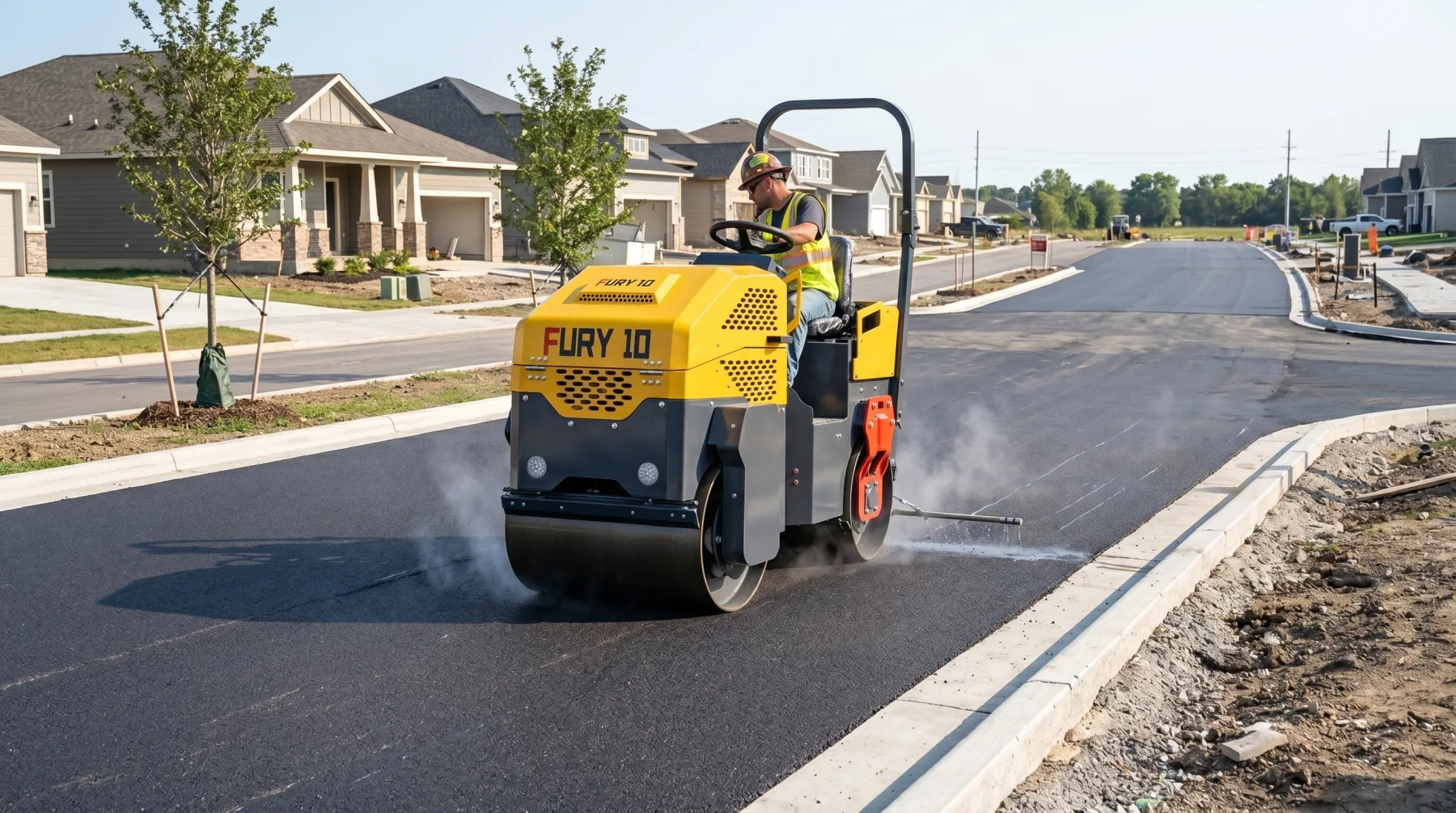
Street construction requires greater width, weight, and speed. A mid-size ride-on roller is the professional choice, compacting lanes efficiently while maintaining a consistent finish. The increased weight is necessary to achieve the deep compaction required to support ongoing vehicle traffic.
Ensure the drum width is appropriate for your lane size to maximize efficiency. A properly sized drum reduces the number of passes needed to cover the full width of the lane, helping operators maintain a consistent compaction pattern and a more uniform surface finish. Matching the drum width to the work area also improves productivity, minimizes overlap errors, and helps achieve even density across the entire pavement surface.
Rollers for Community Developments
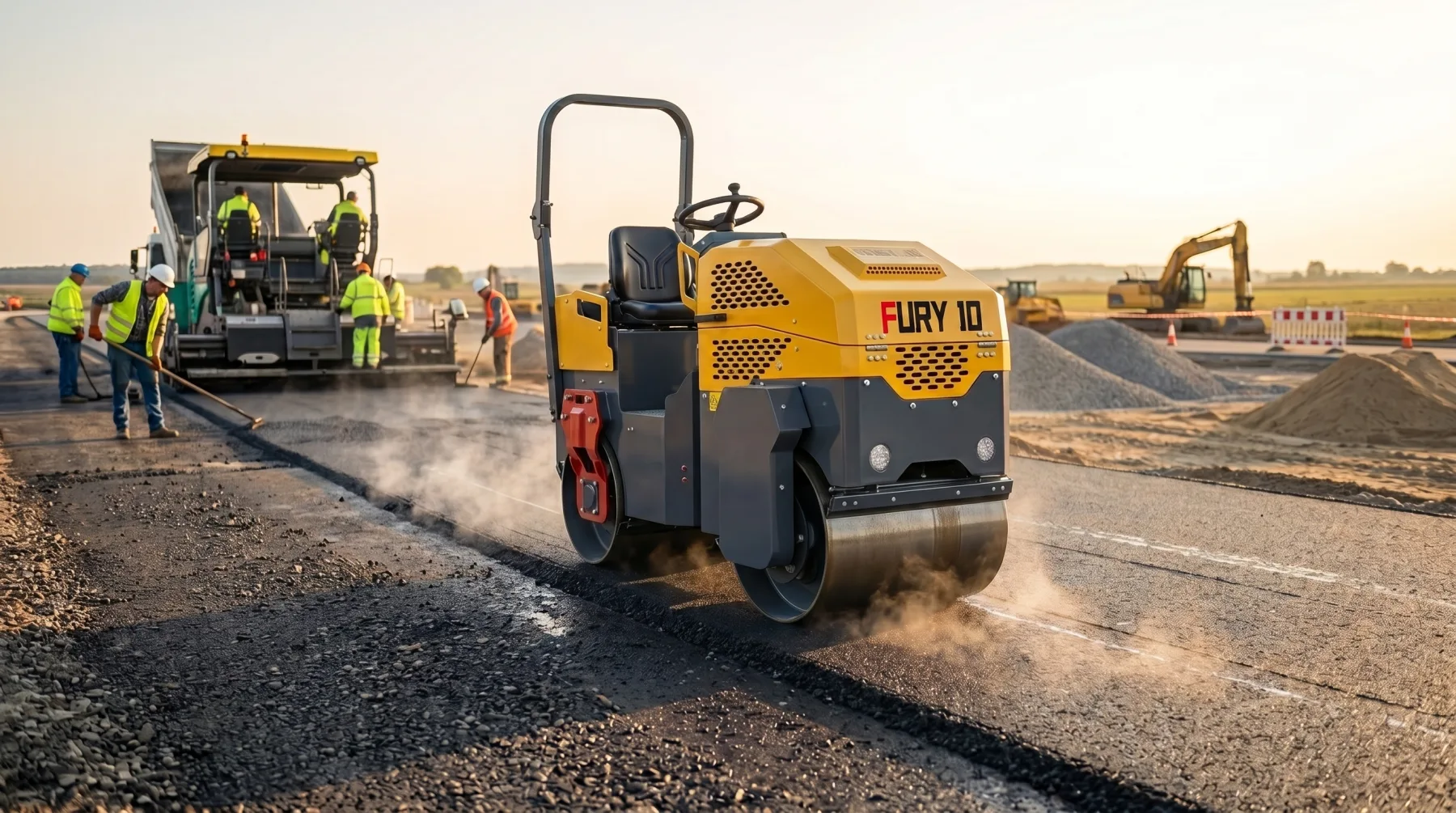
Large-scale infrastructure projects, such as subdivisions and parking complexes, require high-capacity machinery. Heavy ride-on rollers cover vast areas quickly and deliver the deep, uniform compaction required for long-term reliability. On these projects, machine consistency is a key driver of your timeline and budget.
Professional developers often utilize multiple rollers: heavy machines for open stretches and smaller units for curbs and tight access points. Planning your fleet around the site requirements ensures every section meets rigorous compaction standards.
Compaction Best Practices for Surface Longevity
Equipment selection is only the initial stage; proper operation determines the longevity of the surface. Utilizing professional compaction techniques ensures a dense, durable result. Following industry-recognized asphalt compaction practices on every project helps you maintain consistently high standards.
Consistent operating techniques produce uniform compaction while reducing the likelihood of weak spots that lead to premature surface failure. Careful control of speed, overlap, and rolling patterns allows the machine to achieve the required density more efficiently and with fewer corrective passes.
Good operating practices also protect the equipment. Using the roller correctly reduces unnecessary stress on the drum, vibration system, and hydraulic components, extending machine service life while maintaining reliable performance throughout demanding construction projects.
Precision Timing and Temperature Control
In asphalt applications, thermal management is critical. The mix has a specific compaction window; rolling while too hot can displace material, while rolling when too cold prevents you from reaching required density. Monitor mix temperatures closely to ensure passes are made within the optimal range.
For soil and gravel bases, moisture content is equally vital. Material that deviates from the optimal moisture range will not reach full density. Ensuring proper conditions before rolling is essential for structural success and reliability.
Consistent Pass Patterns
Effective compaction is achieved through a systematic pattern of overlapping passes. Maintain a consistent speed and overlap each pass by several inches to ensure no areas are neglected. Begin at the lower edge and work toward the high side to prevent material displacement.
Avoid abrupt stops or sharp turns on fresh asphalt, as these actions create surface imperfections. Controlled, smooth movements are required for the professional finish your customers expect and deserve.
Achieving Target Density Efficiently
Excessive passes do not necessarily result in better compaction. Once target density is reached, additional rolling can damage the aggregate or compromise the surface shape. Determine the correct number of passes for your material thickness and cease operation once density is achieved.
Pay particular attention to edges, joints, and transition areas, as these sections are often the first to experience cracking or premature wear if not compacted properly. Finish these areas with controlled, consistent passes while maintaining proper overlap to achieve uniform density. Taking extra care during final passes creates a stronger bond between adjacent sections and contributes to a longer-lasting pavement.
Maintaining Your Road Roller for Optimal Performance
A road roller is a precision machine that requires regular maintenance to ensure consistent results. Routine care protects your investment and the quality of your work. Incorporate these habits into your service schedule to maintain peak performance and reliability.
Routine inspections identify worn components, hydraulic leaks, loose fasteners, and drum damage before they develop into costly repairs or unexpected downtime. Addressing small issues early keeps the roller operating efficiently and ensures it continues delivering consistent compaction quality on every project.
Following the manufacturer’s recommended maintenance schedule is essential for preserving long-term performance. Regular servicing of the engine, hydraulic system, vibration mechanism, and lubrication points helps extend equipment life, reduce operating costs, and maintain reliable productivity.
Drum and Water System Maintenance
The drum is the most critical component of the machine. Keep it clear of asphalt buildup, which can mar surfaces and impact compaction quality. Regularly inspect the drum for dents or wear that could affect the final finish.
Asphalt rollers rely on water spray systems to prevent material adhesion. Ensure the tank, pump, nozzles, and filters are clear to maintain even flow. Clogged nozzles lead to sticking and surface defects, so the system must be flushed regularly for optimal performance.
Hydraulic and Vibratory System Inspections
The drive, lift, and vibration functions depend on the hydraulic system. Contaminated fluid or worn seals will degrade performance and reduce compaction force. Monitor fluid levels, replace filters as scheduled, and inspect for leaks around the drum and drive components to ensure reliability.
Monitor the vibratory system for any changes in operation, as a decline in performance often indicates a need for service. Prompt attention ensures your compaction force remains consistent and prevents unscheduled downtime during critical projects.
Comprehensive Daily Inspections
In addition to the drum, all wear points require attention. Regularly grease pivot points and bearings, maintain proper tire inflation on ride-on units, and inspect all hoses and fasteners. Identifying minor issues early prevents them from becoming major repairs and protects your productivity.
Proactive maintenance keeps the roller reliable and ready for work every day. Spending just a few minutes on daily inspections reduces the risk of unexpected downtime, maintains consistent compaction performance, and helps extend the service life of key components.
Conclusion
Road rollers are essential for high-quality paving, and you can now approach your equipment selection and operation with expert confidence. By understanding machine types, matching equipment to project scale, and adhering to professional compaction and maintenance standards, you can deliver durable surfaces for driveways, streets, and developments.
The path to excellence is straightforward: define your project requirements, select a machine engineered for that scale, and maintain rigorous standards for compaction and maintenance. This professional approach reduces rework and ensures the high-quality, lasting results that your clients demand.
The next step is to evaluate your most common projects and choose a road roller that matches your workload, material types, and operating environment. Pair the right machine with proper compaction techniques and a consistent maintenance routine to achieve superior surface quality, greater jobsite efficiency, and dependable performance for years to come.