Currently Empty: $0.00
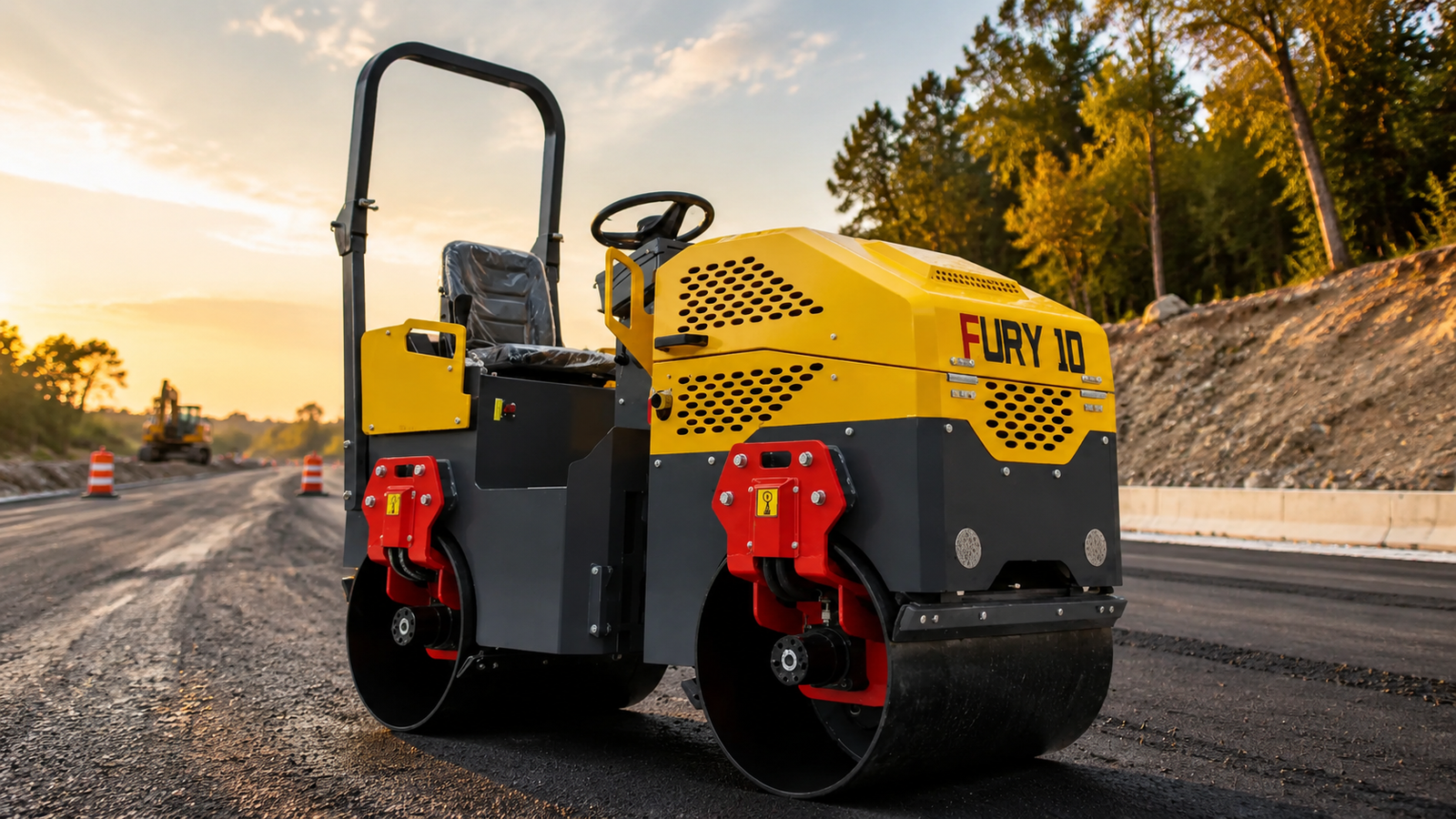
Basic Components of a Road Roller Explained
Watching a massive heavy machine flatten a fresh stretch of asphalt looks remarkably straightforward from a distance. To the untrained eye, the process simply involves driving a heavy weight back and forth over loose dirt or hot pavement until the ground appears smooth. However, assuming that these machines are nothing more than rolling blocks of steel completely ignores the sophisticated engineering hidden just beneath the surface. True compaction requires precise control, dynamic energy, and a suite of interconnected mechanical systems working in perfect harmony.
Understanding the basic road roller components is an absolute necessity for anyone involved in infrastructure development. When contractors, first-time equipment buyers, and operators know exactly how a road roller works, they make significantly better decisions on the job site. This comprehensive guide breaks down the essential parts of a road roller into clear, accessible terms. By exploring exactly what each component does and how they interact to create flawless compaction, you will gain the practical knowledge needed to improve daily operation, enhance job site safety, and streamline your preventative maintenance schedules.
The Foundation of Compaction: The Road Roller Drum
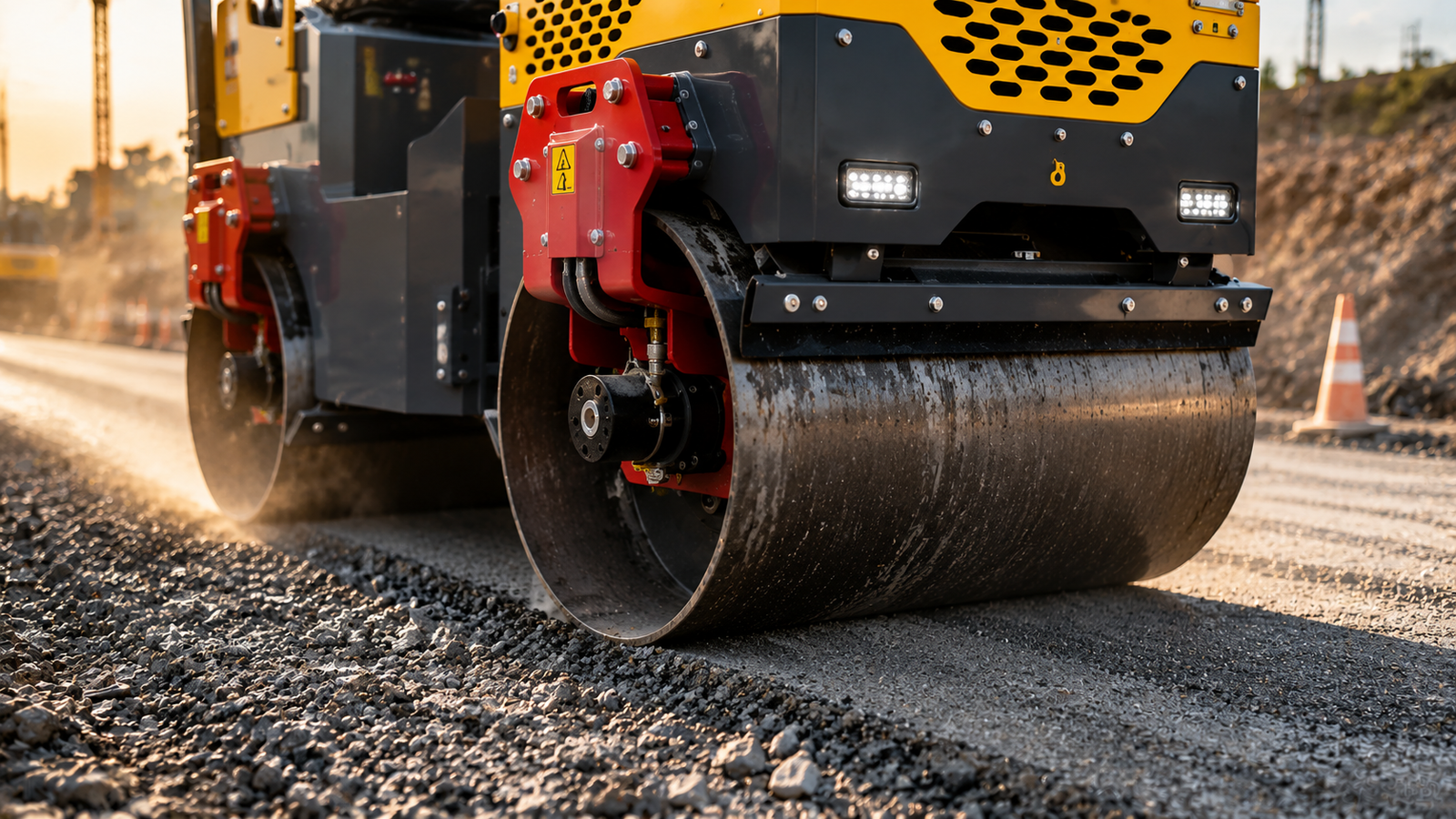
When you look at a compaction machine, the very first component you notice is the massive steel cylinder resting on the ground. The road roller drum is the absolute heart of the machine, serving as the primary point of contact between the equipment and the earth. What exactly does this massive cylinder do? The drum applies the immense downward static pressure required to crush loose soil, jagged gravel, and hot asphalt into a tight, dense formation. Manufacturers engineer these drums from incredibly thick, high-strength steel designed to withstand relentless abrasive wear and intense physical stress without warping or denting.
The physical design of the road roller drum varies heavily depending on the specific material you are compacting. Smooth drums provide the flawless, glass-like finish required for final asphalt paving, while padfoot or “sheepsfoot” drums feature heavy steel protrusions designed to aggressively knead and penetrate sticky, cohesive clay. Understanding which drum to select directly dictates your compaction quality. If an operator utilizes a smooth drum on wet clay, the machine will simply seal the top layer and leave the deep foundation dangerously unstable. Choosing the correct drum design is the very first step in ensuring your equipment actually delivers the load-bearing strength your clients demand.
Generating Dynamic Power: The Vibration System
While the static weight of the drum provides excellent surface pressure, it completely lacks the ability to penetrate deep into the foundation. How do modern machines achieve strict density targets in thick layers of gravel? The answer lies hidden completely out of sight within the center of the drum itself. The vibration system is a complex mechanical assembly featuring rapidly spinning eccentric weights. When the operator engages this system, these off-center weights spin at high speeds, generating intense dynamic striking forces that travel directly through the steel drum and deep into the ground below.
This mechanical vibration briefly breaks the natural friction holding the aggregate particles apart. As the ground shakes aggressively, the rocks and soil particles rapidly slide into the tightest possible formation, completely squeezing out microscopic air voids. This dynamic energy allows the road roller to achieve deep, uniform compaction in a fraction of the time it would take using static weight alone. For equipment buyers and maintenance crews, understanding the vibration system is critical because it represents a high-wear area. Regularly checking the vibration bearings and fluid levels ensures the machine continues to deliver the aggressive compaction energy your projects require.
Driving the Massive Weight: The Engine and Power Source
Pushing tens of thousands of pounds of steel across uneven terrain requires an incredible amount of raw mechanical power. The engine serves as the central power source for the entire machine, generating the kinetic energy needed to propel the roller, spin the vibratory weights, and operate the complex hydraulic systems. Modern road rollers rely heavily on advanced, high-torque diesel engines designed to deliver consistent, unyielding power even under the most extreme operational loads.
The engine does much more than simply move the machine forward; it acts as the primary driver for the hydraulic pumps. These pumps pressurize the hydraulic fluid that physically turns the drum, articulates the steering joint, and engages the vibratory system. When operators understand that the engine is balancing multiple heavy demands simultaneously, they naturally adopt better operational habits. Allowing the engine to properly warm up before engaging the heavy vibration, and following strict maintenance intervals for oil and fuel filters, directly extends the life of the machine and prevents catastrophic job site breakdowns.
Keeping the Pavement Flawless: The Water Spray System
Paving asphalt introduces a unique and highly frustrating chemical challenge to the compaction process. Hot liquid bitumen acts as an incredibly sticky adhesive. If a cold steel drum rolls directly over fresh asphalt, the bitumen will instantly bond to the metal, ripping massive chunks of pavement away from the road surface. How do operators prevent this destructive sticking? The solution is the highly specialized water spray system integrated directly above the drums.
This vital system consists of large internal water tanks, electric pumps, and a series of finely tuned spray nozzles pointing directly at the steel drum. When activated, the system constantly coats the entire width of the drum in a fine, even mist of water. This thin barrier of moisture physically prevents the hot asphalt from adhering to the steel, allowing the drum to glide smoothly across the surface. Maintaining this system is a critical daily responsibility. If a single nozzle clogs with debris, dry streaks will form on the drum, instantly destroying the smooth finish of the pavement and forcing the crew into expensive, time-consuming rework.
Commanding Precision: The Cab and Operator Controls
Executing a perfect paving job requires absolute precision, and the operator cannot achieve that level of accuracy if they are physically exhausted or fighting poorly designed controls. The operator cab is the central command station of the road roller, housing all the necessary steering mechanisms, speed dials, and vibration switches. Modern cabs are designed with a heavy focus on visibility, safety, and ergonomic comfort, actively isolating the operator from the deafening engine noise and brutal mechanical vibration happening just a few feet below them.
Inside the cab, the steering and controls are typically driven by an advanced drive-by-wire or hydraulic joystick system. This allows the operator to effortlessly control the forward and reverse movements of the massive machine with just a few fingers, ensuring perfectly smooth starts and stops that prevent surface divots. First-time buyers must pay close attention to the cab layout, because a comfortable operator is a highly productive and profoundly safe operator. When the controls are intuitive and the visibility is unobstructed, the operator can focus entirely on monitoring the compaction quality and avoiding ground personnel.
Maneuverability and Structure: The Frame and Articulation Joint
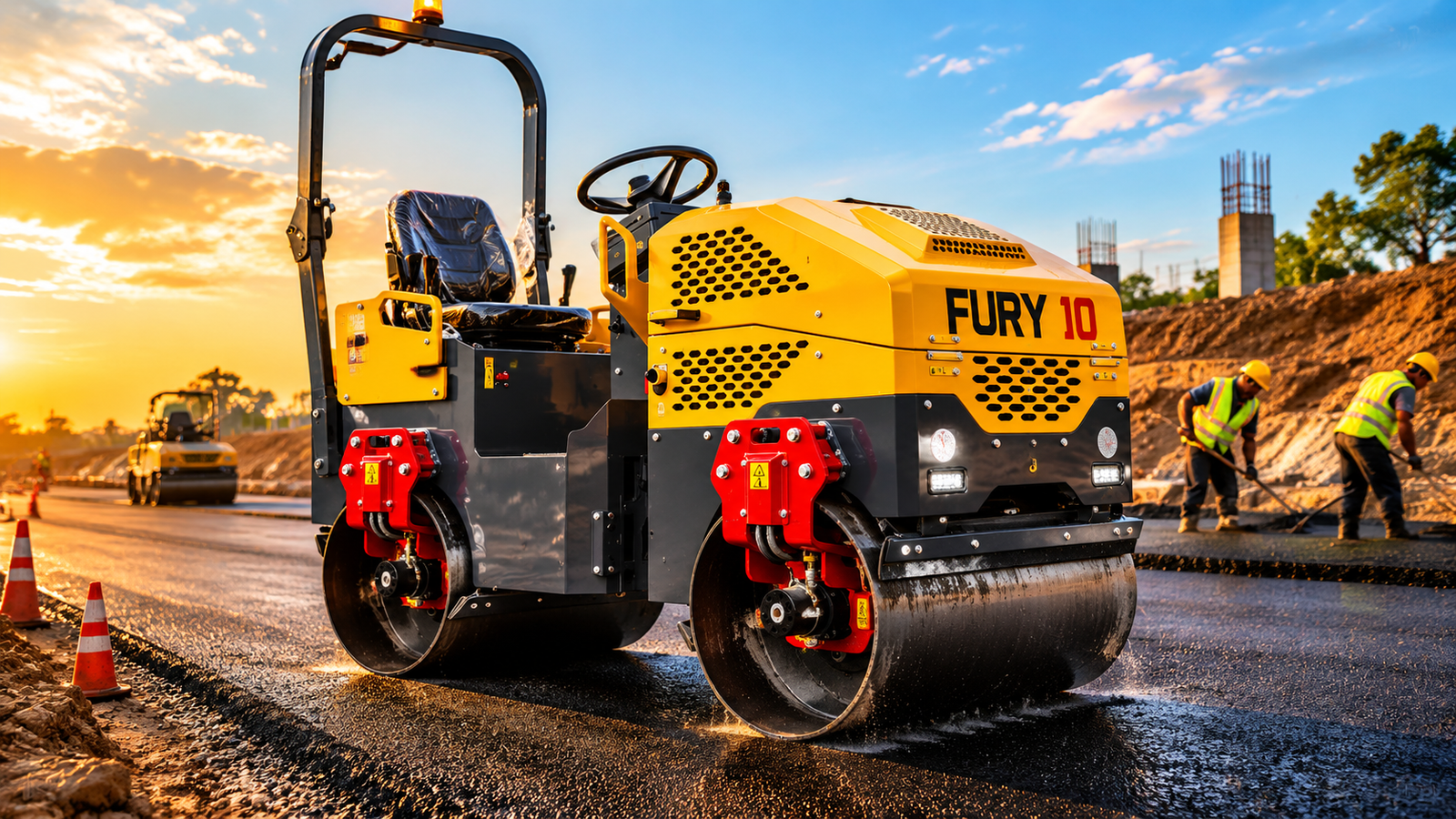
Unlike standard passenger vehicles that steer using their front wheels, heavy compaction equipment requires a much more robust structural design to handle immense weight while remaining maneuverable. Most modern road rollers utilize an articulated frame design. This means the machine is actually built in two separate halves—the front drum section and the rear engine section—connected in the middle by a massive, heavy-duty articulation joint.
This articulation joint allows the entire machine to pivot in the center, providing a remarkably tight turning radius. When an operator turns the steering wheel, heavy hydraulic cylinders push and pull against the frame, bending the machine to navigate tight urban corners or curve perfectly along a winding suburban road. This unique frame design also ensures that the front and rear drums track perfectly in the same path, delivering consistent compaction pressure across the entire width of the pass. Proper lubrication and regular inspection of this central pivot point are absolutely mandatory to prevent structural failure and maintain total machine control.
Traction and Finishing: Tires and Rear Axles
While tandem vibratory rollers feature steel drums on both the front and the back, many machines in a contractor’s fleet utilize a single drum design. On single drum soil compactors, the front section houses the heavy steel drum, while the rear section is supported by a heavy-duty axle equipped with massive, deep-treaded pneumatic tires. These tires serve a critical purpose: they provide the aggressive traction needed to push the heavy drum up steep inclines and through deep, loose dirt without spinning out and burying the machine.
Alternatively, specialized pneumatic tire rollers use rows of smooth rubber tires on both the front and rear instead of steel drums. These rubber tires gently knead the hot asphalt, sealing the surface and drawing the bitumen up to create a watertight, durable finish. Understanding the function of tires and rear axles on different machine types allows contractors to select the exact right tool for the job. You rely on heavy treads to conquer loose soil, and you rely on smooth rubber to perfectly finish your highway projects.
Master Your Equipment for Long-Term Success
The heavy construction industry rewards professionals who take the time to deeply understand the tools of their trade. A road roller is far more than a simple heavy weight; it is a complex, meticulously engineered system designed to build the very foundation of modern infrastructure. When you understand the parts of a road roller and how they interact, you transform from a passive driver into a highly strategic operator.
Knowing exactly how your machine functions empowers you to conduct precise preventative maintenance, troubleshoot minor issues before they become major failures, and make highly informed equipment purchasing decisions. Take the time to familiarize yourself and your crews with these vital components. By treating your machinery with professional respect and understanding the complex engineering behind it, you guarantee that your equipment will deliver unparalleled reliability and unyielding compaction quality for years to come.