Currently Empty: $0.00
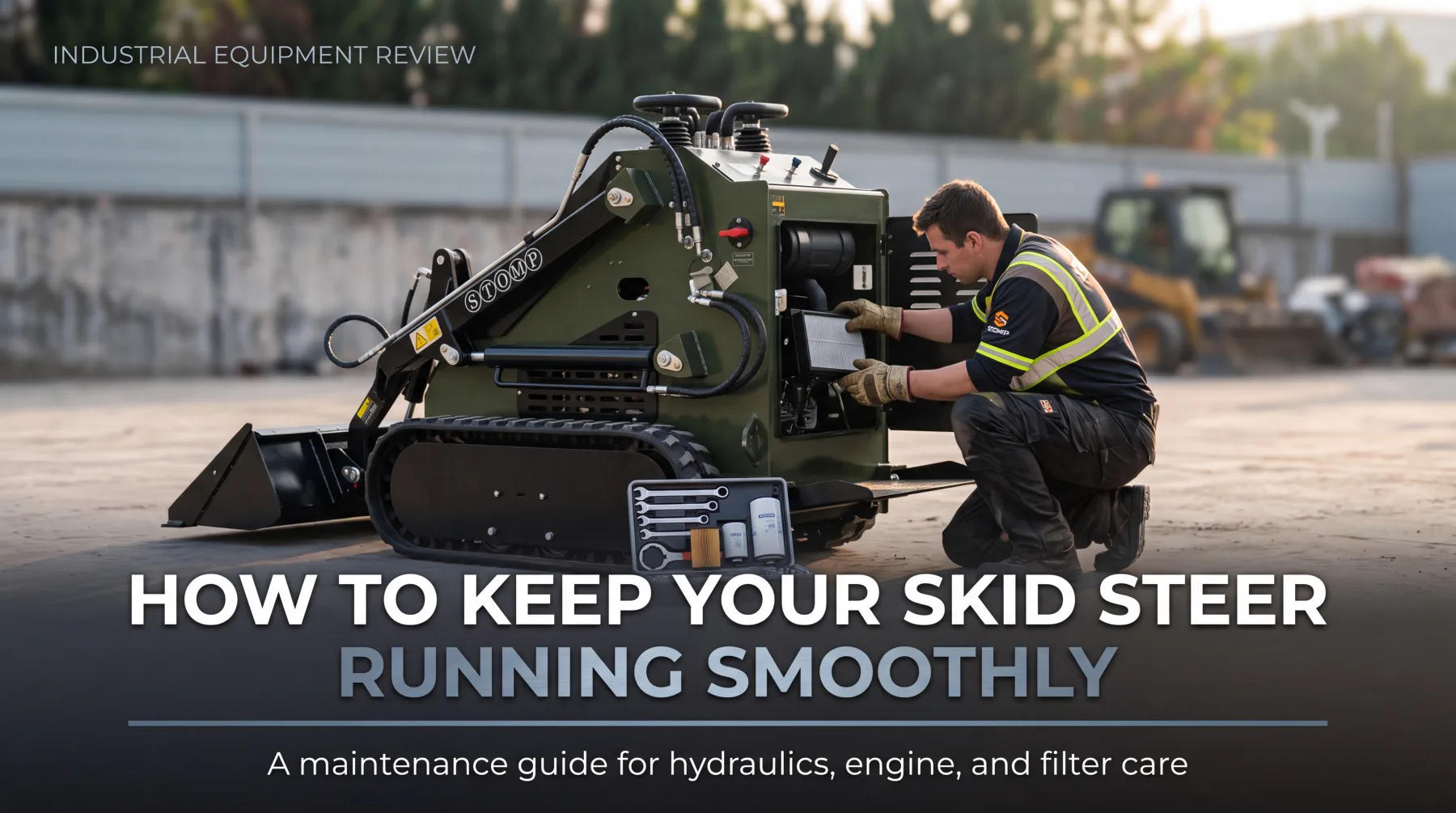
How to Keep Your Skid Steer Running Smoothly
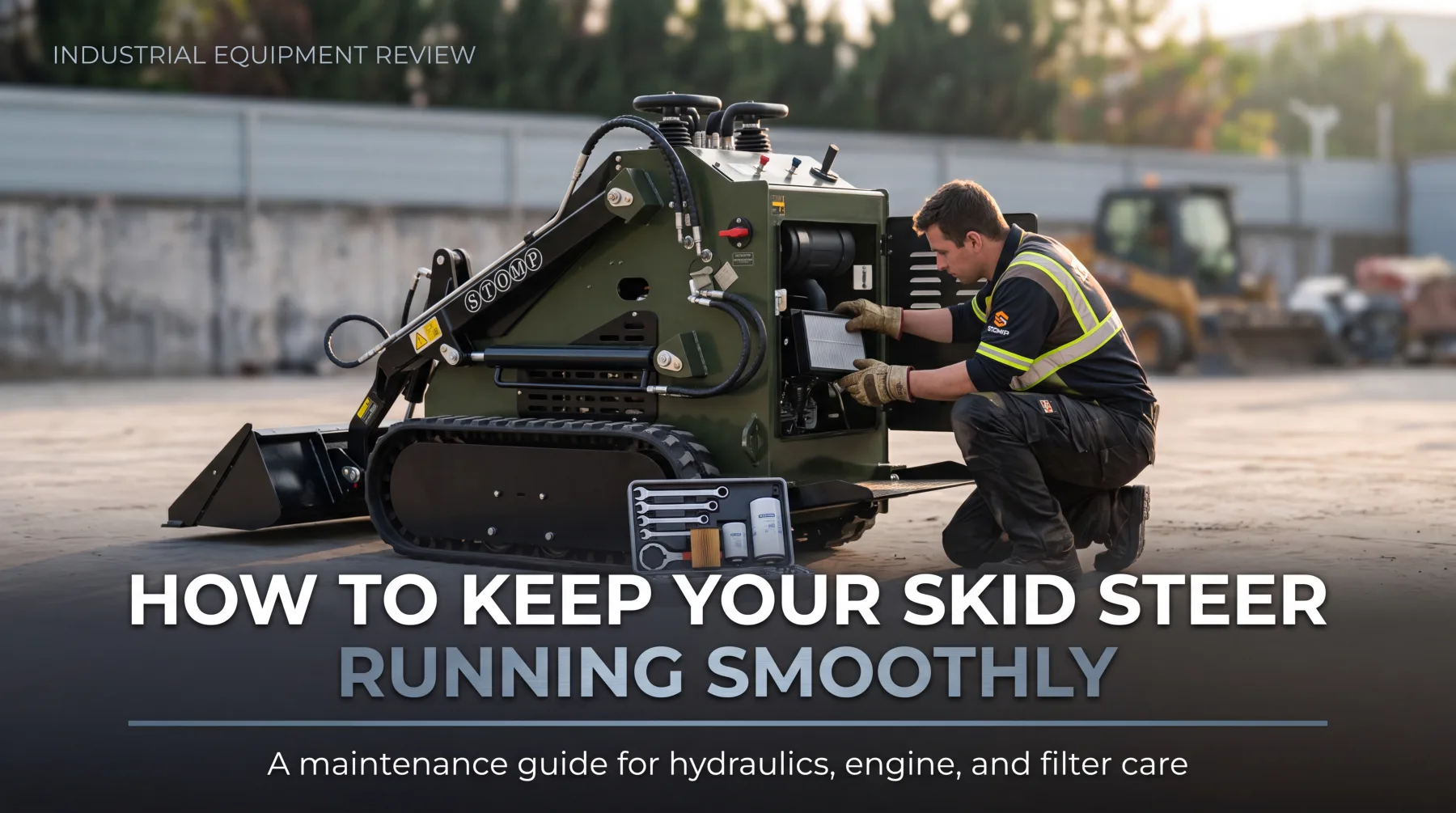
You back the skid steer out of the yard on a cold Monday, a full day of grading and material handling ahead, and the machine feels off before you even reach the job. The hydraulics are sluggish, the lift arms hesitate under load, and halfway through the morning a warning light glows on the dash. By lunch you’re parked on the shoulder, calling for a service truck while the crew stands idle and the clock keeps running. The frustrating part? Every symptom traces back to something a five-minute check would have caught days ago. A low fluid level, a clogged filter, a track packed with mud, small things that quietly compound until the machine simply quits.
A skid steer is one of the hardest-working machines on any site, and it pays back good care with dependable performance. This guide walks you through the maintenance habits that keep one running strong: the daily and pre-shift checks that catch trouble early, how to care for the hydraulic system that powers everything, how to protect the undercarriage and drive system, and how to stay on top of engine and filter service. Build these routines in, and you’ll trade breakdowns for uptime shift after shift.
How Daily and Pre-Shift Checks Prevent Breakdowns
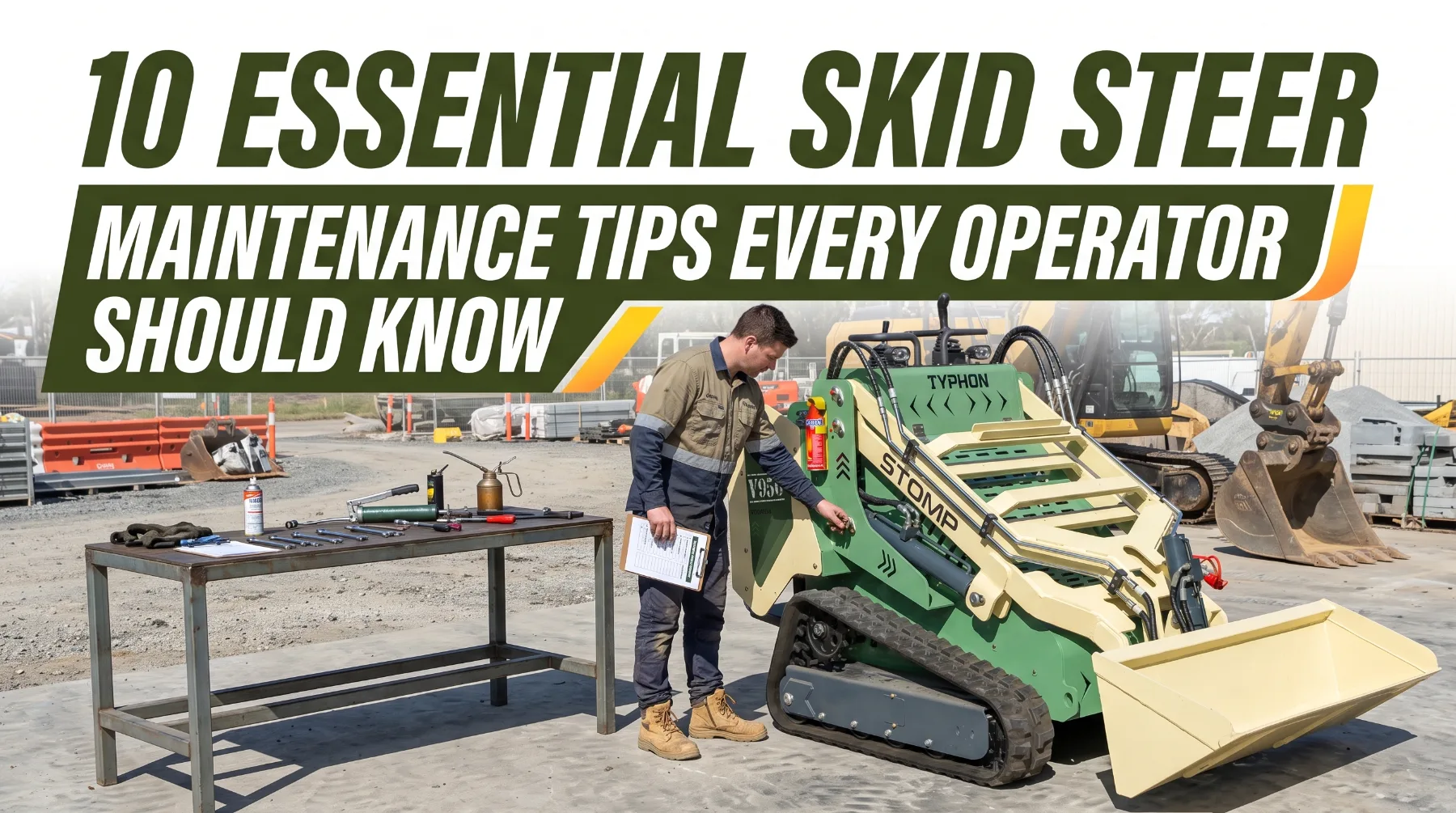
A thorough pre-shift inspection is one of the most effective ways to protect a skid steer and prevent unexpected downtime. Most mechanical problems show early warning signs, and a routine walk-around helps identify leaks, loose components, fluid issues, and visible wear before they become costly repairs. Making inspections part of every workday improves equipment reliability, extends service life, and helps maintain consistent jobsite productivity. If you’re still evaluating equipment options, learning how to choose the right skid steer can also help ensure the machine matches your operational requirements.
The Pre-Shift Walk-Around
Start every day by circling the machine with your eyes open for anything out of place. Look for fresh puddles of oil or coolant under the machine, damaged hoses, loose fittings, and any visible cracks or wear on the lift arms and attachment coupler. A leak or a frayed hose spotted in the yard is a quick fix; the same problem discovered mid-job is a breakdown.
Check the simple things that operators skip when they’re rushed. Confirm the seatbelt and safety devices work, the lights function, and the attachment is locked in securely. These take seconds and protect both the machine and everyone around it. A consistent walk-around turns you from someone reacting to failures into someone preventing them.
Fluid Levels and Tires
Fluids are the lifeblood of a skid steer, so check them daily before you start. Confirm the engine oil, hydraulic fluid, and coolant are all at proper levels, and top off anything low with the correct type. Running a machine short on fluid is one of the fastest ways to cause expensive damage, and it’s entirely avoidable with a thirty-second check.
Tires and tracks deserve the same attention. On a wheeled machine, check tire pressure and look for cuts, uneven wear, or missing lugs, since a soft or damaged tire hurts stability and traction. Uneven pressure side to side pulls the machine and wears components faster. A quick tire and track check keeps the machine planted and working as it should.
Takeaway: A short pre-shift walk-around catching leaks, damaged hoses, low fluids, and worn tires stops the majority of breakdowns before they start, so make the daily inspection a non-negotiable habit.
How Hydraulic System Care Protects Performance
The hydraulic system is what gives a skid steer its muscle, powering the lift arms, the tilt, and every attachment you run. When it’s healthy, the machine feels strong and responsive. When it’s neglected, power fades, movements turn jerky, and components fail early. Caring for the hydraulics is caring for the heart of the machine.
Keeping Hydraulic Fluid Clean and Full
Clean hydraulic fluid at the right level is the single most important factor in hydraulic health. Contaminated fluid, dirt, water, or metal particles, wears pumps, valves, and cylinders from the inside out, so keep the reservoir topped to spec and change the fluid on the manufacturer’s schedule. Never mix fluid types, since the wrong blend degrades performance and can damage seals.
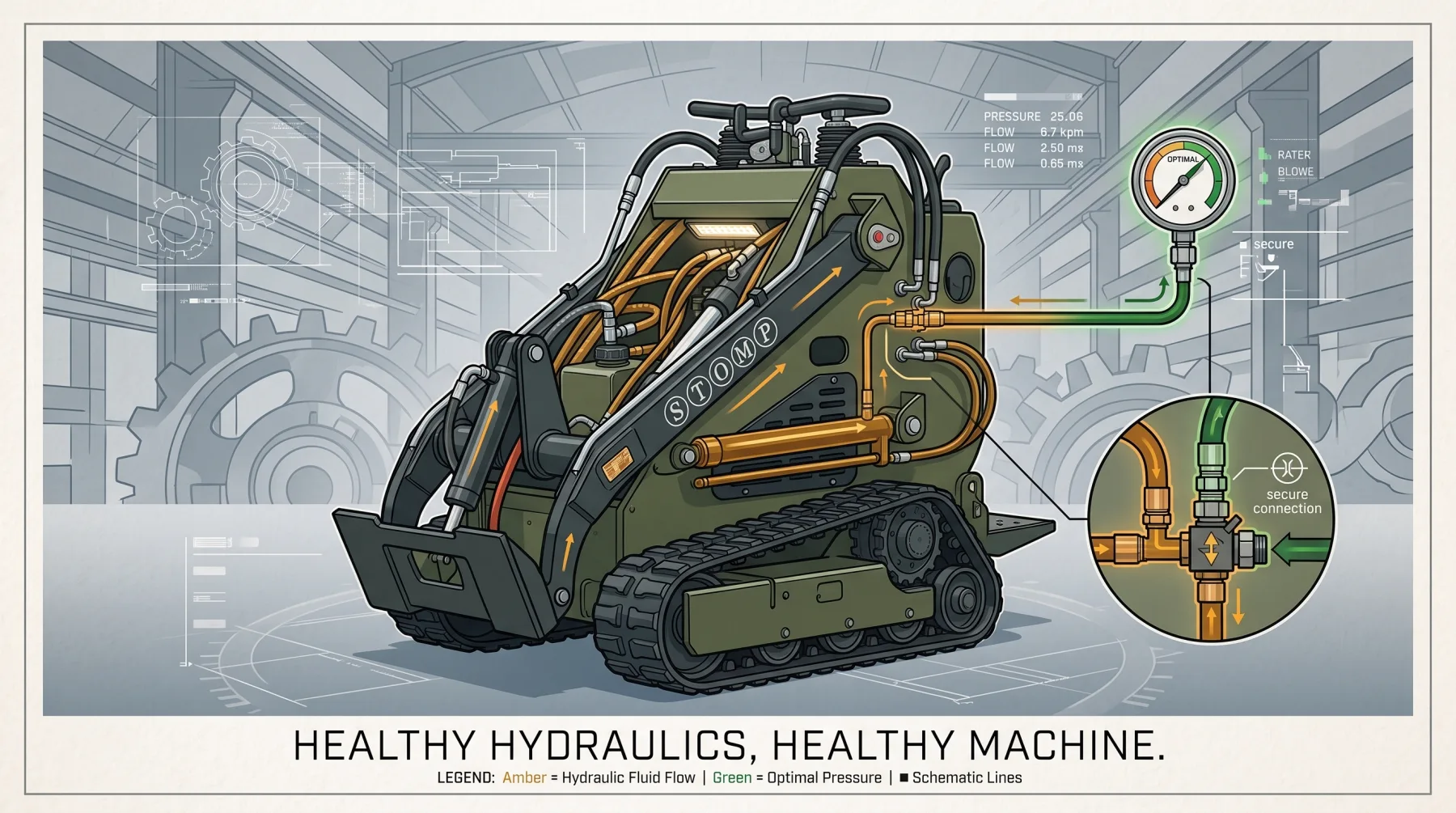
Watch for the early warning signs of trouble. Slow or weak lifting, jerky movements, unusual noise from the pump, or fluid that looks milky or dark all point to a problem worth addressing before it grows. Catching a hydraulic issue early, while it’s still a fluid or filter fix, beats replacing a failed pump mid-season.
Hoses, Fittings, and Couplers
The hydraulic lines take constant pressure and flexing, so inspect them regularly for wear. Look for cracks, bulges, soft spots, and weeping at the fittings, and replace a suspect hose before it bursts. A blown hydraulic line sprays hot fluid under high pressure, which is both a safety hazard and an instant end to your workday.
The attachment couplers need care too, especially if you switch tools often. Keep the quick-connect fittings clean and free of dirt, since debris pushed into the hydraulic system through a dirty coupler contaminates the whole works. Wipe the connections before coupling up, and you protect the fluid you worked to keep clean. Reviewing sound hydraulic system maintenance practices from an independent equipment resource is worth the time before your next service interval.
Takeaway: Clean, full hydraulic fluid plus regular inspection of hoses, fittings, and couplers keeps the machine’s power strong and reliable, so treat the hydraulic system as the priority it is.
How Undercarriage and Drive System Maintenance Keeps It Moving
Whether your skid steer rolls on tires or tracks, the drive system takes a punishing amount of abuse and rarely gets the attention it deserves. Dirt, debris, and daily stress wear it down steadily, and a neglected undercarriage costs more to replace than almost any other part of the machine. A little routine care here pays back handsomely.
Cleaning Out Debris
Mud, rock, and packed material are the enemies of any undercarriage. On a tracked machine especially, debris jammed into the tracks, rollers, and sprockets accelerates wear dramatically and can throw a track entirely. Clean the undercarriage at the end of each day, before the mud dries and hardens into a grinding paste that chews through components.
This habit matters most on wet or messy sites. A few minutes with a scraper or pressure washer clears the buildup that would otherwise wear away expensive parts overnight. Operators who skip this step often pay for it later with premature track and roller replacement, one of the priciest repairs a skid steer can need.
Track Tension and Tire Condition
On tracked machines, proper track tension is critical. A track run too loose can derail under load, while one run too tight strains the drive components and wears them fast. Check the tension against the manufacturer’s spec regularly and adjust as needed, since correct tension is what lets the undercarriage last its full service life.
Wheeled machines demand their own drive-system attention. Beyond tire pressure and tread, watch for chain tension and lubrication in the drive, since a dry or loose drive chain wears quickly and robs power. Keeping the drive system, tracks or wheels, clean, tensioned, and lubricated is what keeps the machine moving confidently across any surface.
Greasing the Pivot Points
A skid steer has numerous pivot points on the lift arms and attachment linkage, and every one needs regular grease. Dry pins and bushings wear rapidly under load, developing play that spreads to surrounding parts and turns a cheap greasing habit into an expensive repair. Follow the machine’s greasing schedule without shortcuts.
Make greasing part of your routine rather than an afterthought. Hit every fitting on schedule, wipe away old grease and grit first, and use the grease the manufacturer specifies. This small, cheap task protects some of the most heavily stressed joints on the machine and keeps the lift arms moving smoothly for years.
Takeaway: Cleaning debris daily, keeping tracks tensioned or wheels maintained, and greasing every pivot point protects the costly drive system and keeps the machine moving reliably, so never let the undercarriage go neglected.
How Engine and Filter Service Habits Sustain Reliability
The engine gives a skid steer its power, and the filters keep that engine and its systems clean. Stay on top of both, and the machine runs strong for thousands of hours. Let them slide, and you invite the kind of major failure that ends a machine’s working life early. This is where disciplined service habits pay the biggest dividends.
Air, Fuel, and Oil Filters
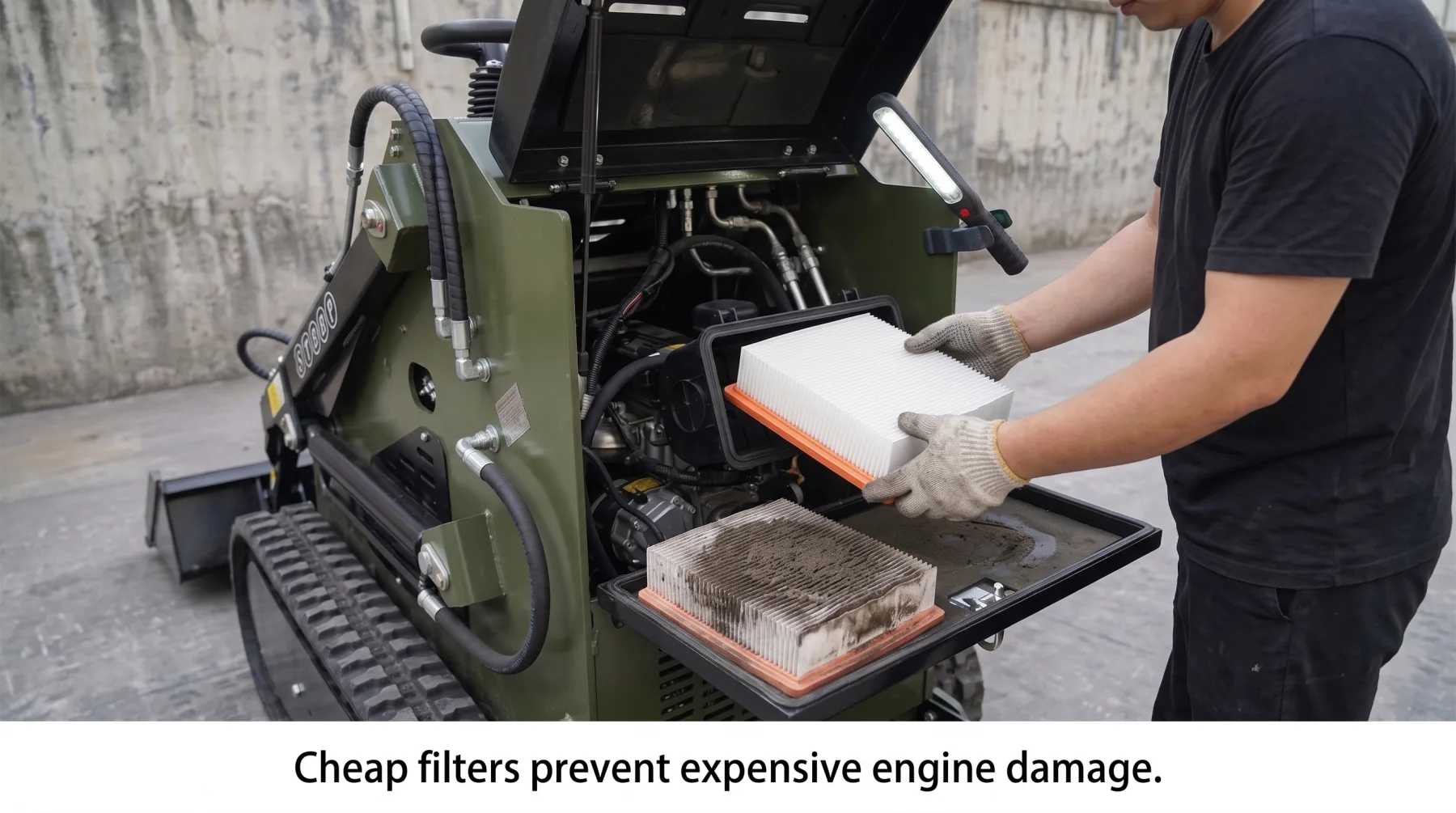
Filters are cheap, and the damage a clogged one causes is not. A dirty air filter starves the engine of air, cutting power and burning excess fuel, while a neglected fuel filter lets contaminants reach the injectors. Check the air filter often, especially on dusty sites, and replace all filters on the manufacturer’s schedule rather than waiting for symptoms.
Oil and its filter deserve the same discipline. Fresh oil and a clean oil filter keep the engine’s internals protected and running cool, so follow the recommended oil change intervals closely. Skipping oil changes to save time is a false economy that trades a small routine cost for the risk of catastrophic engine wear.
Cooling System and Engine Checks
An overheating engine is a quick path to serious damage, so keep the cooling system in good order. Check the coolant level regularly and keep the radiator and cooling fins clear of the dust, chaff, and debris that collect there. A clogged radiator on a hot day can push an engine past its limits before you notice the temperature climbing.
Listen and watch as you work, too. Unusual noises, excessive smoke, hard starting, or a loss of power are the engine telling you something needs attention. Addressing these signs early, while they’re still minor, keeps a small adjustment from becoming a major overhaul. An operator who pays attention catches trouble long before it strands the machine.
Keeping Records and Getting Support
Track your maintenance rather than relying on memory. A simple log of hours, fluid changes, filter replacements, and repairs tells you what’s due and helps you spot patterns before they become problems. Good records also protect the machine’s resale value by proving it was cared for properly.
When a repair goes beyond routine maintenance, relying on dependable parts and professional service can help prevent minor issues from becoming costly breakdowns. Using quality filters, fluids, and replacement components while following the manufacturer’s maintenance recommendations helps keep your skid steer operating reliably. Access to trusted equipment suppliers and responsive technical support also makes it easier to minimize downtime and maintain consistent performance throughout the machine’s service life.
Takeaway: Regular filter changes, a clean cooling system, attentive engine checks, and solid record-keeping sustain reliability over the long haul, so treat engine and filter service as the foundation of a machine that keeps earning.
Conclusion
Consistent maintenance is the key to keeping a skid steer operating efficiently and extending its service life. Daily inspections help identify leaks, loose components, and signs of wear before they develop into costly repairs, while routine hydraulic, engine, filter, undercarriage, and drive-system maintenance protects critical components and maintains reliable performance. Keeping accurate service records and following the recommended maintenance schedule reduces downtime, improves productivity, and helps preserve the machine’s long-term value. Whether maintaining a new or heavily used skid steer, a disciplined maintenance routine ensures the equipment remains dependable for demanding jobs while maximizing its return on investment.
Frequently Asked Questions
How often should I service my skid steer?
Follow the intervals in your machine’s operator manual, which are based on engine hours. Daily checks of fluids, tires or tracks, and a visual walk-around should happen every shift. Filter changes, hydraulic service, and oil changes fall on scheduled hour intervals. Greasing pivot points is often a daily or every-few-hours task. The manual is your best guide, since intervals vary by model and how hard the machine works.
What are the most common causes of skid steer breakdowns?
Most breakdowns trace back to neglected basics: low or dirty fluids, clogged filters, blown hydraulic hoses, and worn or debris-packed undercarriages. Overheating from a clogged radiator and hydraulic contamination from dirty couplers are also frequent culprits. Nearly all of these are preventable with consistent daily checks and on-schedule service, which is exactly why a maintenance routine pays for itself many times over.
How do I keep my hydraulic system healthy?
Keep the hydraulic fluid clean and at the correct level, change it and its filter on schedule, and never mix fluid types. Inspect hoses and fittings regularly for wear and replace suspect ones before they fail. Wipe attachment couplers clean before connecting to keep dirt out of the system. Watch for slow or jerky movements and unusual pump noise, which signal problems worth addressing early.
Should I clean my skid steer’s undercarriage every day?
On wet, muddy, or debris-heavy sites, yes. Packed mud and rock accelerate undercarriage wear and can derail a track, and hardened debris grinds against components overnight. A few minutes of cleaning at the end of the day prevents one of the most expensive repairs a skid steer can need. On dry, clean sites you can clean less often, but a regular habit always pays off.